

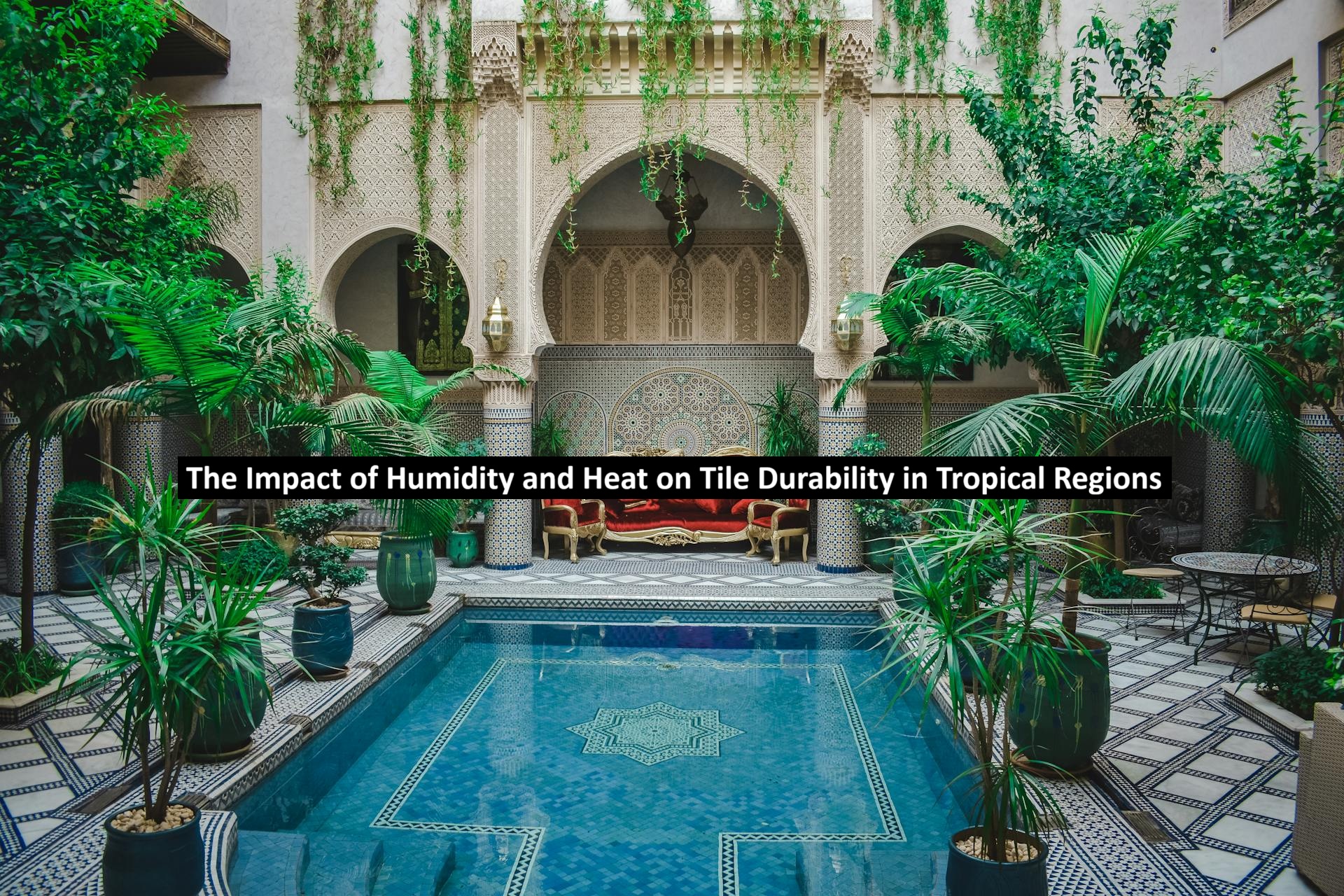
Tropical areas are battlegrounds. Temperature and architecture both clash, and climate meets construction. The humidity fluctuates a lot, and that’s not even getting to the high temperatures. It’s only natural that tiles face a lot of stress here. As an expert says, “Tiles don’t fail; conditions do.”
Tiles can seem like the strongest part of a building. Whether you’re looking at a bathroom or an outdoor patio, tiles definitely are eye-catching. But their life really depends on a lot of other things. What’s being used to make them? How are they being installed? The truth of the matter is that heat and humidity don’t just impact the tiles. It affects adhesives, grout, and substrate beneath them, too!
Heat: The Expanding Enemy
In many cities, daytime temperatures regularly go beyond 35°C/95°F. The heat isn’t just a menace to humans; it’s a menace to tiles and the materials beneath them, too. It causes them to expand. Without proper planning, it can cause tenting and buckling. Tiles basically lift and crack when expansion joints are missing or too narrow.
Not just this, it can also cause premature adhesive failure. In extreme heat, adhesives may cure too quickly, weakening the bond. Prolonged exposure to harsh sunlight, especially in outdoor patios or verandas, can bleach tile finishes.
In places like Lagos, where sun exposure is intense year-round, thermal stress is a silent saboteur. Heat reveals what haste hides. Rushed installations often fail within months.
Humidity: The Moisture Menace
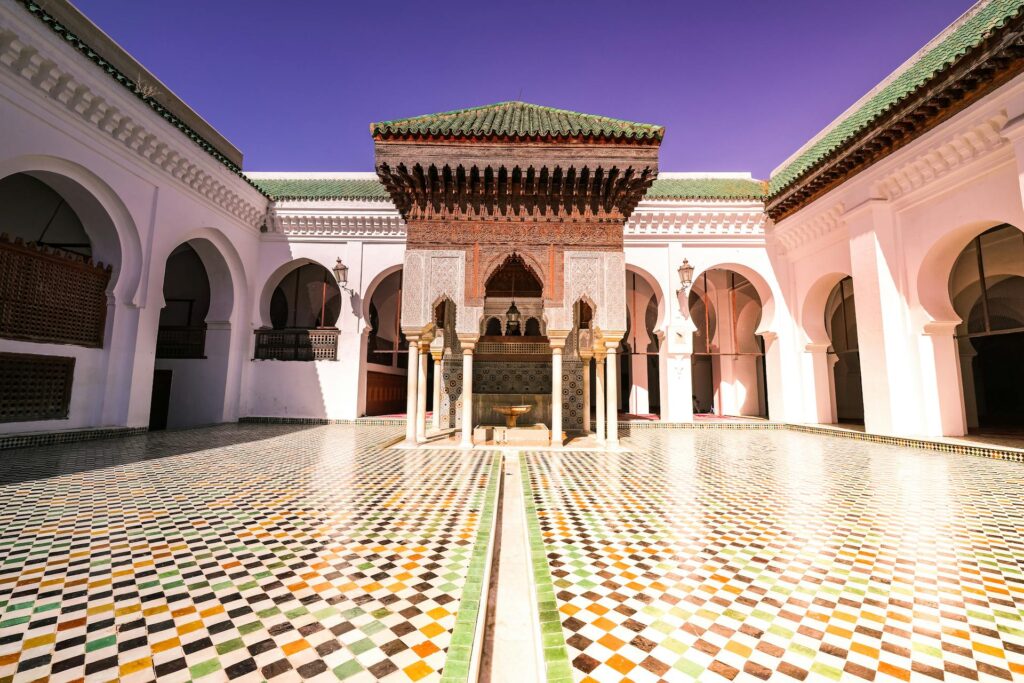
Humidity isn’t just a nightmare for people; it’s a nightmare for construction, too. It’s relentless. It gets everywhere, from walls to floors. And the worst part? Damage goes unnoticed until it’s all too apparent.
Efflorescence is a real problem in these areas. What is it? White salt deposits on tile surfaces. It happens because moisture draws salt from beneath the tiles. Mold and mildew monsters also appear in these zones. In areas where wood and low-grade cement boards are used, moisture can cause warping. This leads to tile cracks.
The worst part is the possibility of adhesive softening. High humidity impacts the curing process. And when you’re using the wrong adhesive, matters can go from bad to worse.
Read: Streamline Your Financial Appointments with AI Appointment Booking Bot
Materials Matter
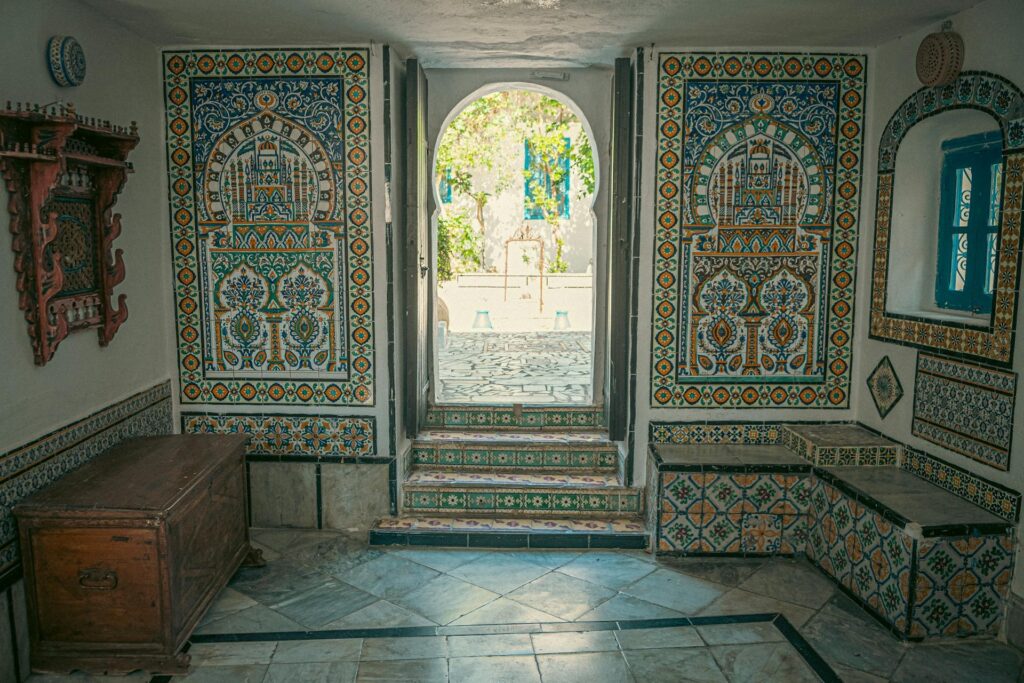
In African markets, affordability often drives tile choices. But in humid and hot zones, porcelain tiles, with their low water absorption, are superior to ceramic tiles. Natural stone, while popular, must be sealed constantly to prevent staining and moisture damage.
Grout and adhesive selection is equally critical. Epoxy grout resists moisture and mold better than cement-based options. Polymer-modified adhesives are essential in high-humidity or high-heat zones.
Precision Over Speed: Installation
With any construction site, speed is often prioritized over precision. But tropical tiling demands the opposite. Installing tiles early in the morning or late afternoon is ideal to prevent rapid curing. Surface prep is sacred. Substrates must be dry and level. Moisture trapped beneath tiles is a recipe for disaster.
Don’t forget about expansion joints. These are crucial for large floor areas or outdoor spaces. Curing time also matters. Tiles should not be walked on or exposed to water until adhesives and grout have fully cured.
Play the Long Game with Maintenance
Even in the best tile installations, regular care is needed. It’s a non-negotiable for tropical zones. Use breathable sealants on natural stone and group to prevent moisture ingress. Avoid acidic cleaners, as they can degrade grout and tile finishes.
Inspections? Necessary. After heavy rains or flooding, check for signs of efflorescence or tile movement. Moisture management is a year-round concern for coastal areas. Tiles don’t age gracefully; they’re coached into longevity!
Coastal Construction
In coastal areas, salt-laden air adds another layer of complexity. Salt accelerates corrosion in metal trims and can worsen efflorescence. So what can you do? Use salt-resistant adhesives. Avoid porous tile materials. And for an extra touch, install stainless steel trims instead of cheaper metal switches.
Best Practices
There’s no way to build today without taking a climate-smart approach. It’s not just about tile installation; it’s also about what they’re made of, how durable they are, and more. You have to think about the heat (not just how it impacts you). Think about the impact on the tiles. Don’t forget those extension joints. Plan tile installation when the sun isn’t blazing. This will help prevent rapid adhesive curing.
And you can’t forget the humidity! Select low-absorption tiles. Why? To avoid moisture-related damage. Seal grout lines with breathable sealants. That keeps the mold and mildew away. Be wise about what adhesive you end up choosing. Polymer-modified adhesives are the best. They’re designed for humid environments and hot conditions.
Climate-Smart Installation
Tiles are the best bet for many homes across tropical regions. So whether you’re in Jamaica or Accra, you have to think of it as more than just aesthetics. At the end of the day, you want to invest in tiles that will stand the test of time. And that’s why you have to do your due research before you decide to invest in your property. Climate-smart installation and maintenance are essential when working with tiles in these regions.
Building is not just about brick and mortar. It’s about understanding the land, the heat, the rains, and the rhythm of the seasons. You can find tiles for sale in Jamaica that aren’t just beautiful, but can handle the heat of the area. Keep these considerations in mind next time you’re planning to buy and install tiles!